Caffeine is one of the few supplement ingredients whose effects you can feel the same day, which makes the labelling conventions around it faintly absurd. A product can contain a meaningful dose and still never print a milligram figure — entirely legally, and without anyone intending to mislead you.
Why the number is usually missing
When caffeine is added as caffeine anhydrous, the amount is straightforward and generally declared. When it arrives inside a plant extract, it is not so simple.
Green tea leaf extract contains caffeine. So does guarana seed extract. How much depends on the extract's standardisation, the growing conditions, and the part of the plant used — and the manufacturer is declaring the extract, not the caffeine inside it. A label saying "Green Tea Leaf Extract 200 mg" is accurate and tells you almost nothing about the caffeine.
Rough estimating, with the caveats attached
Two very approximate rules of thumb circulate among people who read labels for a living:
- Guarana seed extract is often standardised somewhere around 10–22% caffeine by weight.
- Green tea leaf extract varies enormously — decaffeinated versions exist, and standard ones commonly land in single-digit to low-double-digit percentages.
Neither figure is reliable enough to plan around. They are useful for one purpose only: telling you whether you are in the region of a cup of tea or the region of a double espresso.
Roughly where common sources sit
Approximate caffeine per typical serving, for scale only
When it matters enough to walk away
For most people a supplement's caffeine content is a detail. For some it is the deciding fact, and it is worth being honest about which group you are in.
- You already drink several coffees. Adding an undeclared 60–90 mg on top is the difference between fine and wired.
- You dose in the evening. A formula taken with your largest meal is a problem if your largest meal is at nine at night.
- You take anything else caffeinated. Pre-workout, fat burners and some cold remedies stack quietly.
- You have been told to limit it. Pregnancy, certain heart conditions and some medications all come with caffeine guidance. That guidance does not stop applying because the caffeine arrived inside a plant extract.
What to do about it
Look at the ingredient list, not the front of the bottle. If you see green tea extract, guarana, yerba mate, kola nut or coffee bean extract, the product is caffeinated regardless of what the marketing says. Dose in the morning. If you are sensitive, or if any of the bullets above apply to you, ask a healthcare professional before you order — not after.
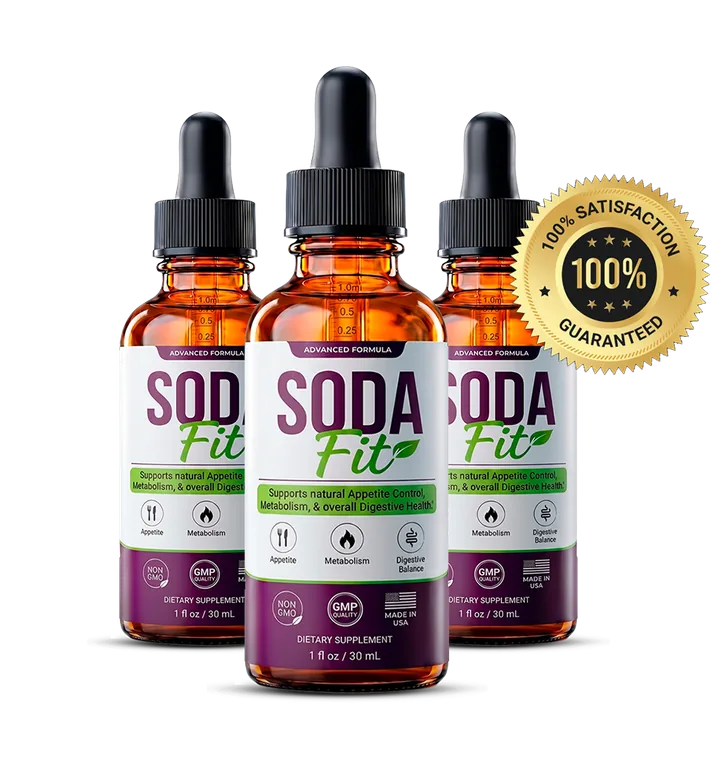
SodaFit contains two caffeine sources, green tea leaf and guarana seed. We put that in the ingredient section of the main page and again on the ingredients page rather than leaving it for you to work out.